


Working for Software as a Service (SaaS) companies over the last decade has made me see new trends in what makes companies grow. Earlier in my career in enterprise software and technology, I believed wholeheartedly that the most important thing for revenue growth was sales & marketing being a tightly knit team. Granted a tightly knit sales & marketing team is kind of like a buddy cop movie – they bicker the whole time, make other people laugh at their crazy antics, but they end up getting their “man” in the end.
Now, my thinking has evolved. Not on buddy cop movies, of course. They’re still hilarious.
Don’t get me wrong, sales & marketing need to be a solid team. But, for companies that want to drive a subscription-based revenue model, I think product & marketing need to work in lock-step. Think less buddy cop and more high-performance song and dance team entertaining and delighting audiences.
Customer Experience is the Most Important Thing in a Subscription-Based Economy
Tien Tzuo puts forward in his book, “Subscribed” that a subscription-revenue model is the future for many companies – of course software but also many other industries especially retail. And with it, comes a change in the way we go-to-market with products.
I think most marketers would tell you that the digital era brought with it a lot of changes in go-to-market and nurturing prospects into becoming customers. There is a proliferation of information and data available to both you and your prospect now through all stages of the buying process. And, it’s not a linear path controlled by marketing and sales anymore. Instead it is an organic process largely self-directed by your prospect right up until the final stages of the sale.
In a subscription-based model the changes to go-to-market are even greater. You might start with outreach to a customer segment with an ideal customer profile in mind, but the moment they opt-in, the marketer and product manager both now have to address their needs on an individual subscriber level. People have come to expect bespoke experiences tailored to their wants and needs. Amazon is the biggest example of this, of course, but with the help of data and tools in this digital age, more and more companies are trying to deliver subscription-based models tailored to individuals.
Since subscription-based business models get their profitability by retaining subscribers, it should go without saying that they need to keep their subscribers happy. Retaining an existing customer gives you predictable revenue. Plus, it is much cheaper to keep an existing customer happy than it is to go out and find a new one. The need to keep customers happy paired with their expectation for a customized experience is why product and marketing need to work together. The brand and product experience need to be seamless from pre-purchase through usage and into renewal.
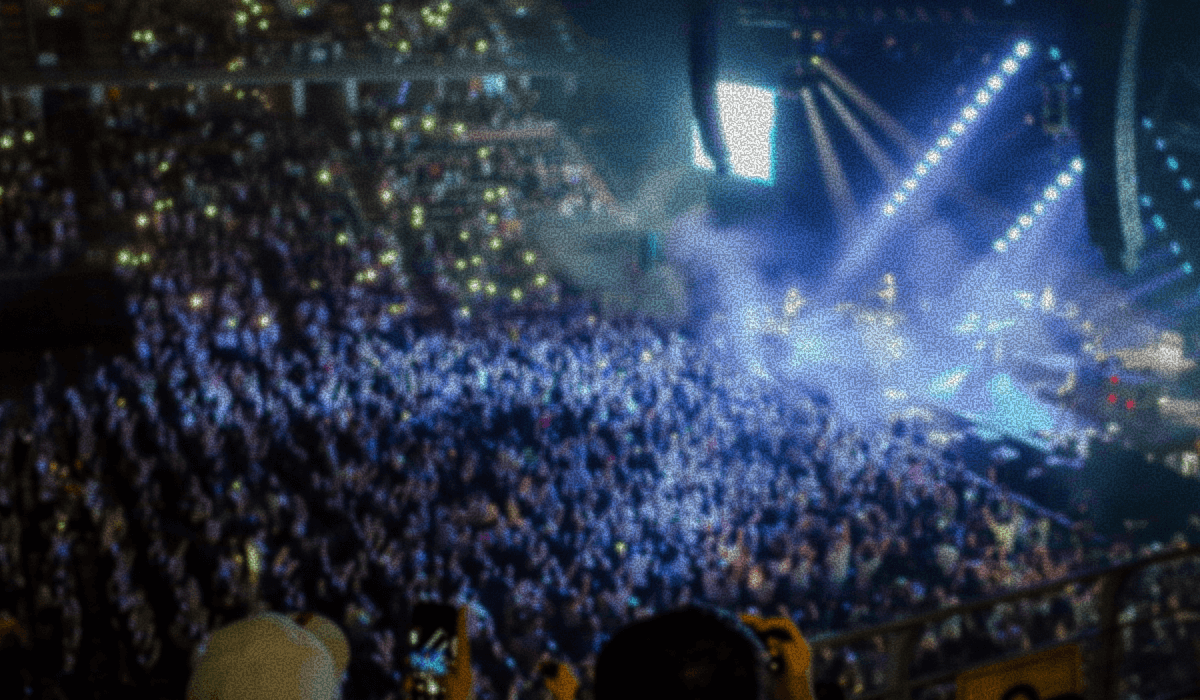
No one wants to go to a show where the band is playing heavy metal while the folks on stage are dancing a very slow waltz. Neither do they want to go to a show by their favorite group only to find out they have completely switched genres from country to modern rock. Looking at you Garth Brooks/Chris Gaines.
Want lifelong fans (subscribers)? First, you need to understand what your fans want. Then, the experience they have needs to match their expectations, not just in the show, but also in the lead up to the show and in all the post show social media. Finally, when they come to the show next year, it may have new songs and routines, but it sure as heck better feel the same.
Getting Customers Hooked Requires a Bespoke Experience Both Inside the Product and Out
There are a lot of technology companies using the product itself to drive customer retention and growth. OpenView Partners, an expansion stage venture capital firm, has been leading the charge on what they call Product-Led Growth (PLG). They assert that the product itself can be what drives customer acquisition, conversion to sale, and expansion revenue.
Nir Eyal puts forward in his book, “Hooked” the methodology and elements needed to get customers habitually using your product. He lays out the case for how habit-forming products have greater price flexibility, a faster viral cycle time (how long it takes a user to invite another), and higher resistance to competition. Again, the experience of the subscriber or user is key to retention and therefore profit, but is that really enough?
Think again about our entertainment analogy. Maybe you write an amazing song and create an inspiring video to go with it. You get a handful of people to watch it and tell friends. It catches on like wildfire. Then what? How do you get them to watch it again? How do you get them to listen to your next song? Or, maybe pay to go to a live concert?
There is evidence that OpenView is onto something when you see success from companies like Atlassian and Slack who have heavily relied on the quality of their product and word of mouth to drive adoption and growth. Still, I am wary to accept their narrow view of it outright. When I attended their PLG Summit last November, more than one of their guest speakers said marketing is still very much needed to either get things started (get a base of subscribers from zero to a place where it could sustain itself), reinforce brand loyalty, or to increase the value of each sale. So, while their model has potential, it is missing something in the interplay between product and marketing.
In Eyal’s Hooked Model, to begin the process of making a product-habit forming, something must trigger the behavior (the use of the product) until it can become a habit. That trigger is typically external and something marketing can certainly drive – either through paid or organic efforts. And, until the habit is formed, the marketer and product manager need to develop a series of external triggers to keep them coming back. That could explain one reason why PLG companies like Slack still need marketing working in lock-step with product management to drive new subscriptions.
So, how do you make a habit-forming, customized experience? Well, that comes back to your product and marketing song and dance team. As you develop your songs and the dances that go with them (think product features and messaging), did you keep in close-mind what the subscribers’ preferences might be? Did you use the person’s feedback on the latest show (think usage in the product) to decide what the next trigger from marketing should be for that individual? Do you have an indication of how the show made them feel and can you create a message for them that builds on that? The song and the dance need to go together, and they need to flow easily into the next performance.
Why People Subscribe to You is Driven by Emotion
While PLG and the Hooked Model certainly have merit in driving subscription revenue, there is still at least one more factor at play. In the end, all of these companies are selling to people. And people, whether they choose to admit it or not, are emotional creatures. Nir Eyal does a great job in his book explaining how ultimately to get someone habitually using your product, it must serve a need they have. But, I think to get them started using it and keep them using it, they also have to make an emotional connection with your company. It comes back to brand experience.
The idea of brand experience isn’t new, but I think it has fallen a bit out of favor. Marketing has become quite a bit about metrics, and I am a whole-hearted believer in measuring outcomes. Still, it can’t be at the neglect of branding. Successful and long lasting companies have done an amazing job of making themselves the kind of brand people want to be associated with. Disney is the first to come to mind, but what about Yeti or Pendo? There are many companies out there who have done a great job building a loyal following. Their customers are proud to be associated with them. Stick their logos on their laptops, wear their swag, and advertise for them.
Think about the bands out there with lifetime fans. They provide consistent experiences again and again, and more importantly, they connect with their fans on some emotional level. Rolling Stones taps into their need for fun. Metallica taps into angst. Jewel pulls at heart strings. Eminem gives voice to raw truths. The Grateful Dead tap into a need to…well, let’s just say be mellow and leave it at that.
The companies that get it right and keep customers connected to them do a couple of things really well. First, brand isn’t just something marketing does. It permeates every aspect of the customer experience in every interaction they have with the company and the product. Second, they incorporate the six principles of contagiousness that Jonah Berger laid out in his book, “Contagious.” Two of his principles – Social Currency and Emotion – are all about how your brand makes that person feel.
To give your fans an authentic experience that addresses their emotional needs, product and marketing need to work together to ensure those needs are addressed consistently through every interaction inside the product and out.
Going Further with the Connection between Product and Marketing
I had the opportunity to work closely with product management in my last two companies – both as a peer and reporting up to me. And, in both cases, I learned many lessons about the importance of product and marketing working closely together in order to have predictable, repeatable growth. We made each other (and therefore the customer experience) better. We didn’t form a song and dance team, but we did work in concert.
Go-to-market when done right, with product and marketing working together beat by beat, should build lifelong fans. Or, at least subscribers with a low churn rate.
If you have a subscription-based business, I recommend reading Tzuo’s book to get information on how to create what he calls a Subscription Economy Income Statement with metrics like ARR, Churn, and Growth Efficiency Index. I also recommend following companies like Pendo who are making it easier and easier for both product management and marketing to get data on how their customers really use the product and then help tailor their experience.
As you may have noticed, I am an avid reader and perpetual student. I expect I will be until the day I die. So, if you have ideas on this topic or recommendations of things I can study further, I’d love to hear them. I am also glad for recommendations for great new musicians in just about any genre.
Reference Material:
Tzuo, T. (2018). Subscribed: Why the Subscription Model Will Be Your Company’s Future–and What to Do About It. New York, NY: Portfolio/Penguin.
Eyal, N. (2014). Hooked: How to Build Habit Forming Products. New York, NY: Portfolio/Penguin.
Berger, J. (2013). Contagious: Why Things Catch On. New York, NY: Simon & Schuster.